
contact
hello@somareality.com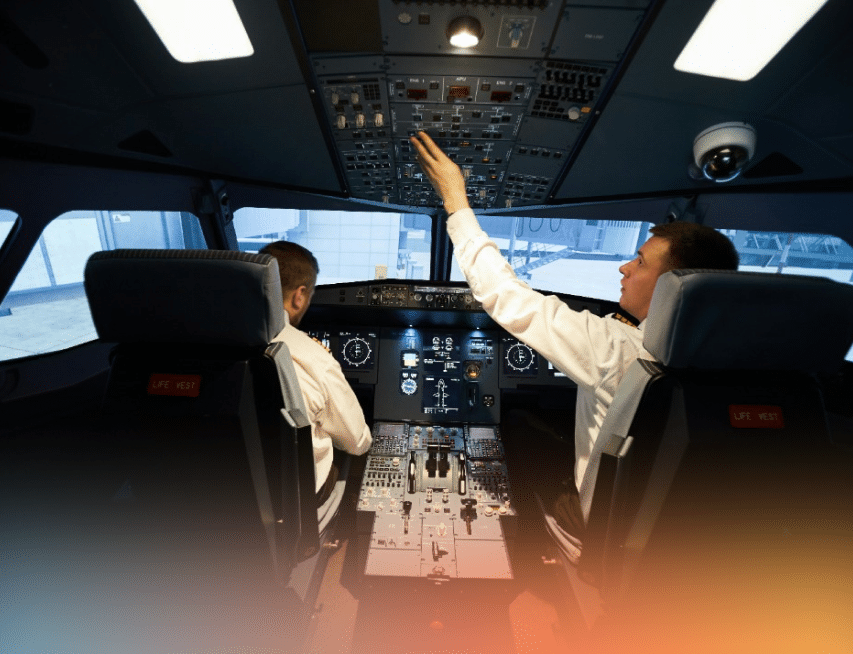
How Cognitive Monitoring is transforming industries
By leveraging real-time data and advanced analytics, cognitive monitoring empowers businesses to make smarter, faster decisions.

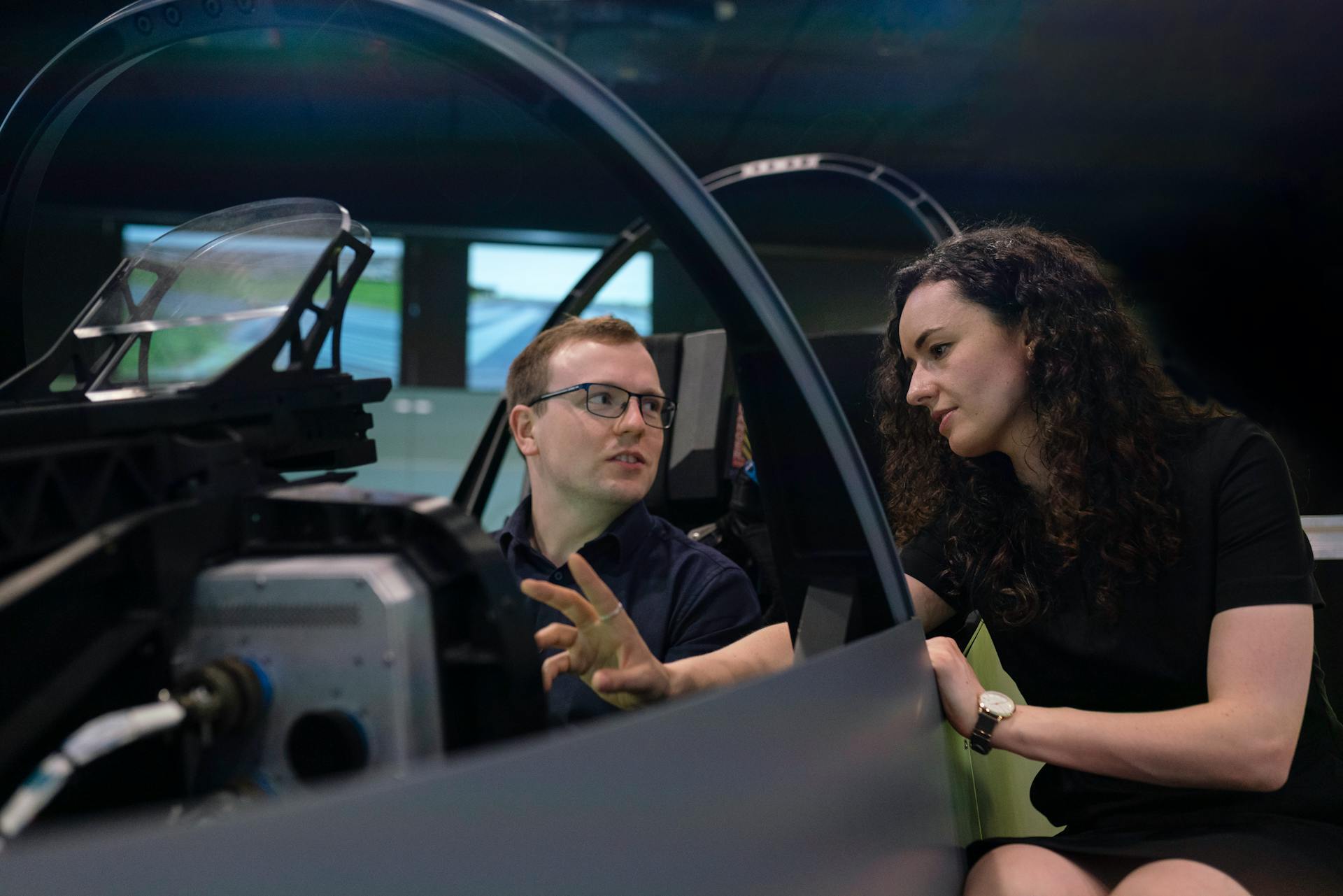
Aviation
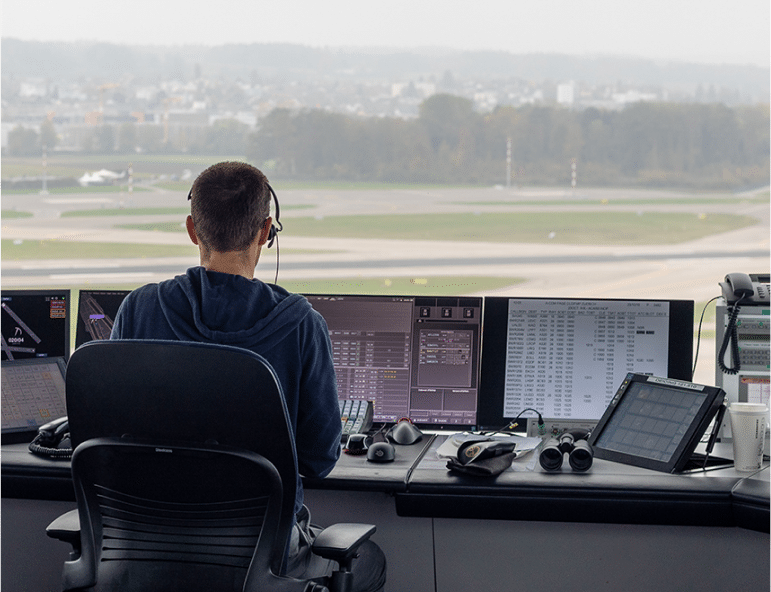
In aviation, active engagement and mental effort is required to process information, make decisions, and execute actions during flight operations are highly critical. Pilots must manage multiple tasks simultaneously, from navigating airspace to monitoring flight instruments and communicating with air traffic control. The sheer complexity of flight operations places a significant cognitive demand on pilots, particularly during emergency situations or unfamiliar flight conditions.
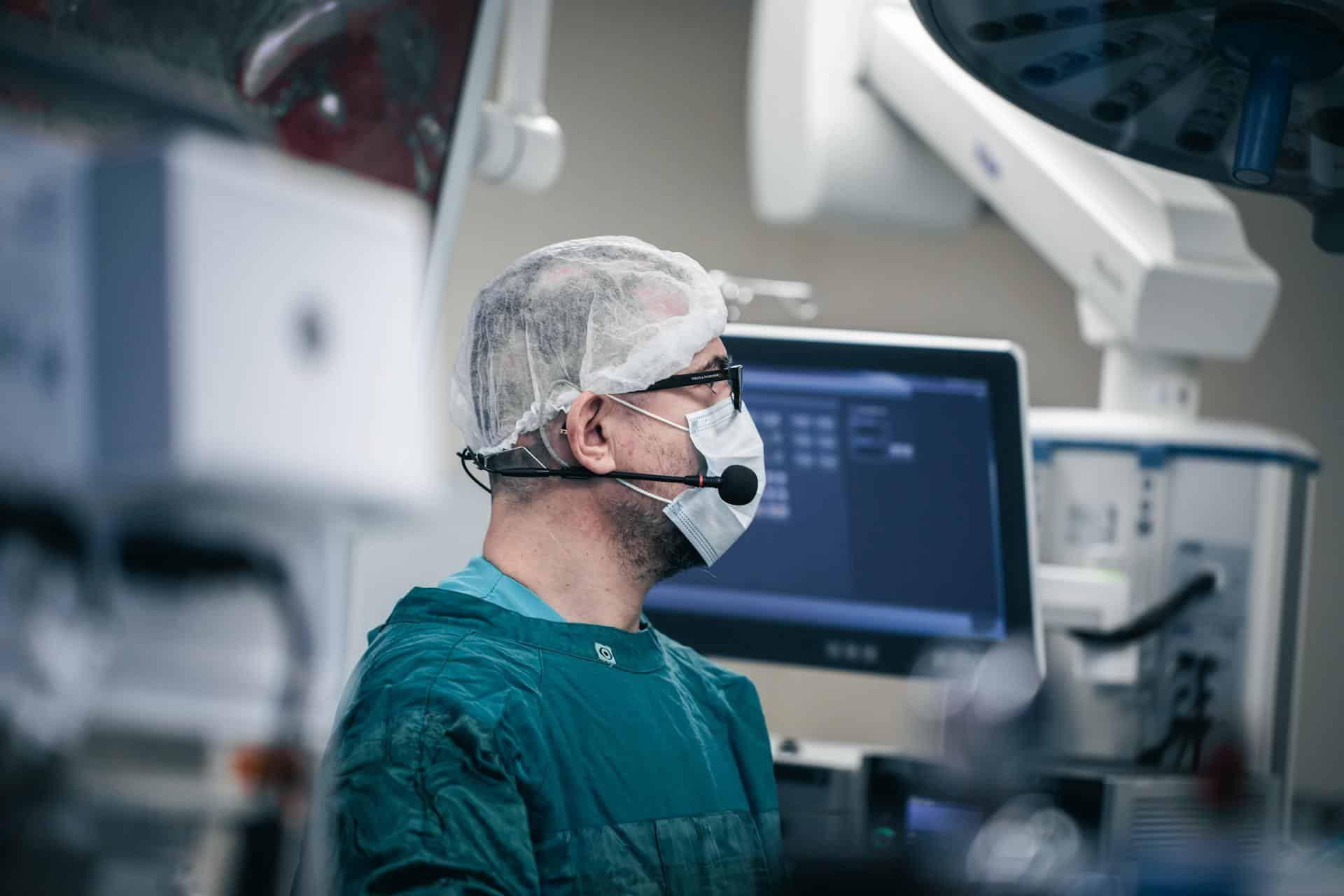
Healthcare
As SOMAREALITY continues to push the boundaries of cognitive monitoring in healthcare, one of our long-term goals is to integrate eye tracking technology into smart glasses, transforming them into cognitive health wearables. Similar to how devices like the Garmin or Apple Watch monitor physical health metrics, SOMAREALITY envisions a future where smart glasses can monitor cognitive health throughout the day. We have also successfully tested how surgical robotics and eye tracking can advance each other.

Automotive
SOMAREALITY’s eye tracking analytics is transforming the automotive and industrial sectors by providing real-time insights into cognitive load, visual attention, and conscious perception. Whether improving driver safety, supporting the development of autonomous vehicles, or enhancing the performance of heavy machinery operators, SOMAREALITY’s technology enables safer and more efficient operations in high-risk environments.
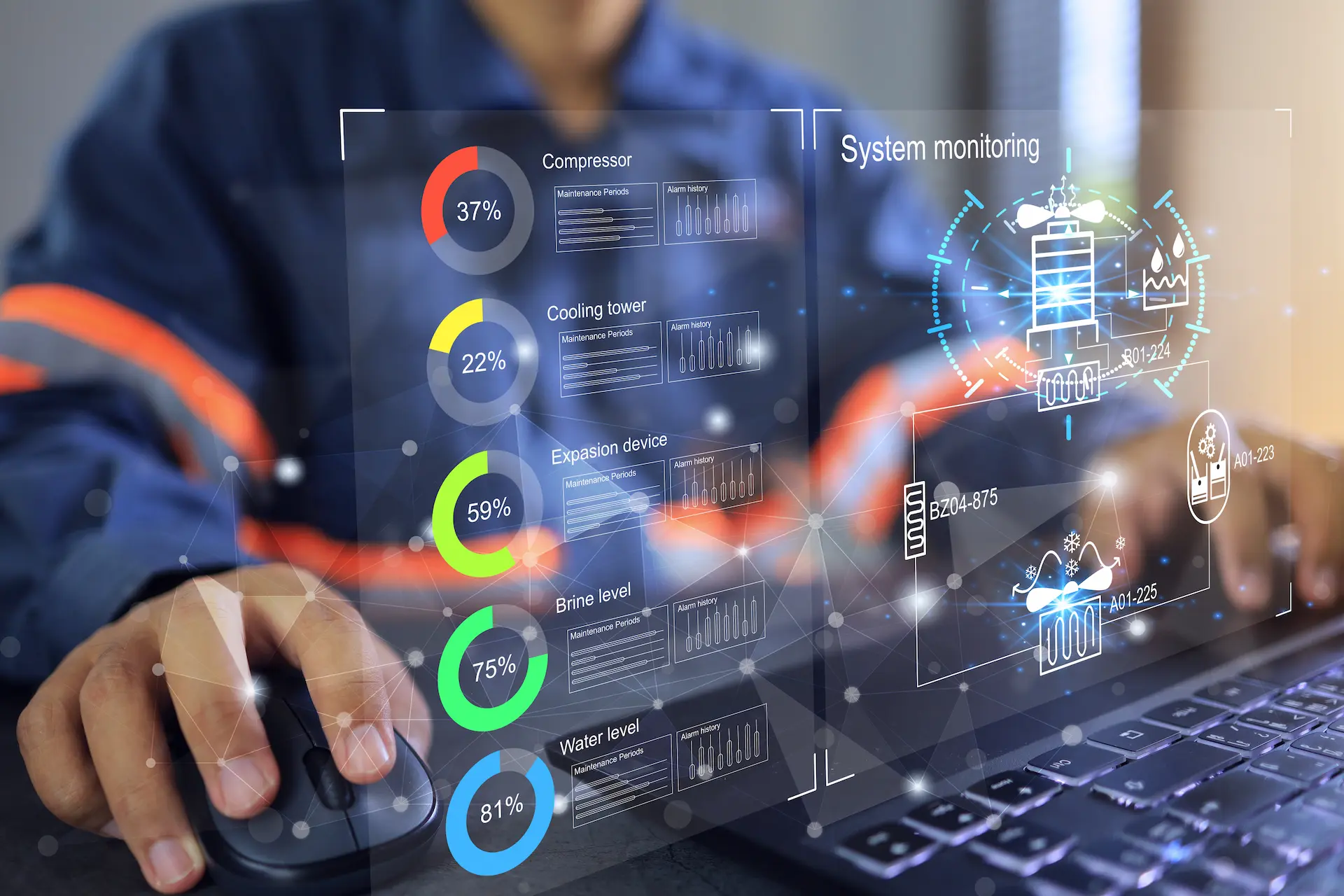
Manufacturing
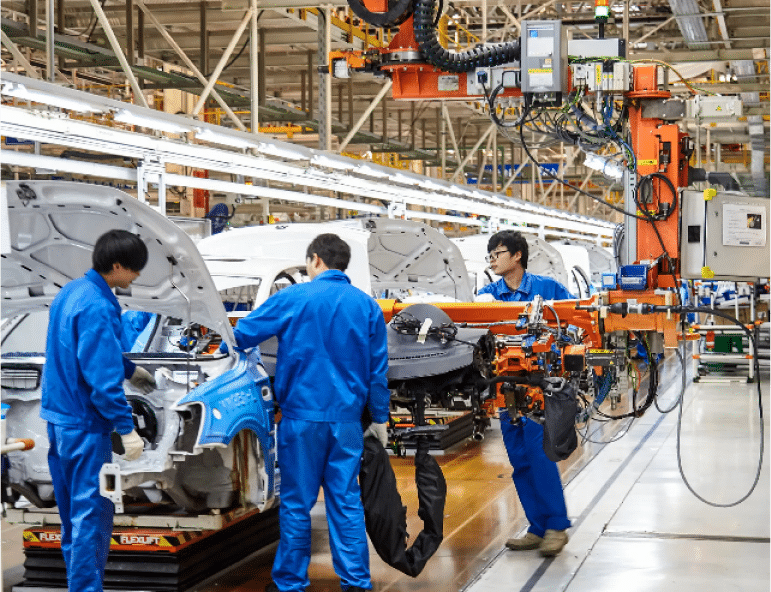
Cognitive exertion occurs whilst monitoring systems, interpreting data, and executing precise operational tasks. Operators must simultaneously oversee machinery, track production parameters, respond to alerts, and maintain quality standards. The complexity of modern production environments often involving automation, safety constraints, and time pressure places significant cognitive demands on workers, particularly during equipment malfunctions or process deviations.

Sports Performance
During play, one must perceive dynamic situations, make rapid decisions, and coordinate precise physical actions. Athletes continuously process spatial information, anticipate opponents’ movements, and adjust strategies in real time. The speed and unpredictability of competitive environments place substantial cognitive demands on athletes, especially under high-pressure conditions or during critical moments of play. Managing cognitive pathways effectively is essential not only for optimal performance, but also for injury reduction, as improved situational awareness and decision accuracy can decrease the likelihood of collisions, missteps, and delayed reactions that contribute to preventable injuries.

User Experience and Design
Mental effort and visual engagement are required to navigate systems, interpret information, and complete tasks effectively. Users must process visual layouts, understand interaction patterns, and make decisions while filtering out distractions. Complex interfaces, unclear hierarchies, or excessive information can significantly increase cognitive demand, particularly when users are unfamiliar with the system or operating under time constraints.
Find more insights in our whitepapers
Explore our comprehensive whitepapers to dive deep into the future of cognitive monitoring and eye tracking analytics.
Download our whitepapersHow to work with us
01
Contact us via contact form
Reach out to us and we’ll get back to you to discuss your specific needs and how we can help.
02
Define your needs
We’ll work closely with you to understand your goals and customize a solution that fits your requirements.
03
Implement the solution
Once everything is aligned, our team will assist in seamlessly integrating our technology into your operations.